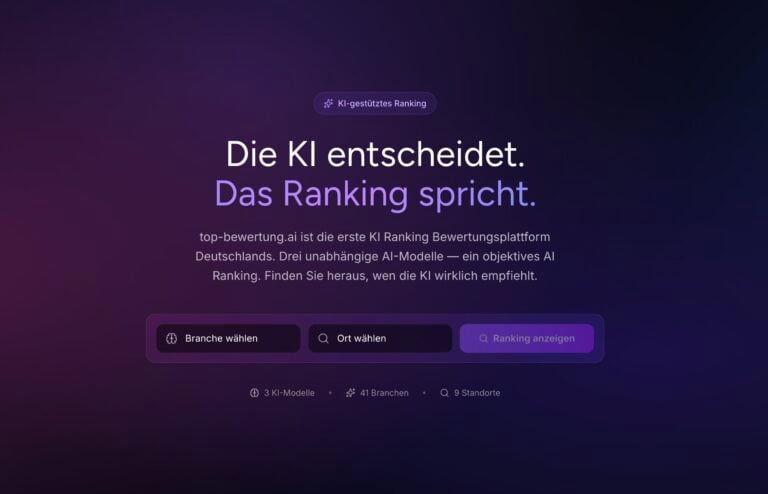
Generative AI Optimization (GAIO) describes the strategic discipline, Online content and presences for search engines and other digital platforms, which are becoming increasingly popular. Generative artificial intelligence (AI) to process and provide information. This is a further development of the traditional Search engine marketing (SEO), which are specially tailored to the requirements of Large Language Models (LLMs) and AI-driven search experiences. The primary goal of GAIO is to make the Visibility and authority of a brand or offering in AI-generated responses, rather than relying solely on Click rates in the classic Search results pages (SERPs).
Since the introduction of AI-supported search functions such as the Google Search Generative Experience (SBU), a shift in user behavior can be observed: A significant proportion of search queries are answered directly by AI summaries, reducing the need to click on traditional web links. GAIO counters this development by designing content in such a way that it can be used by generative AI models can be optimally understood, processed and cited as trustworthy sources in their answers.
Basic concepts of Generative AI Optimization (GAIO)
GAIO's effectiveness is based on a deep understanding of how generative AI models interpret and synthesize information. In contrast to older search algorithms, which rely heavily on Keyword matching modern LLMs evaluate content in terms of its semantic meaning, thematic depth, relevance and credibility.
- Semantic understanding: GAIO concentrates on preparing content in such a way that it not only contains relevant Keywords but also fully capture and answer the context and nuances of a search query. This requires a move away from purely keyword-centric strategies towards a holistic Topic coverage.
- Authority and trustworthiness (E-E-A-T): AI models prioritize content from sources that are classified as experienced, expert, authoritative and trustworthy (E-E-A-T). Strong E-E-A-T signaling is critical to appearing prominently in AI-generated responses.
- Structured data: The implementation of structured data (schema markup) helps AI-crawlers, to identify and categorize content more easily and extract relevant information for direct responses. This improves the chance of being recognized in „AI Overviews“ or „Featured Snippets“ to be taken into account.
Strategies for effective GAIO
Implementing a successful GAIO strategy requires an integrated approach that combines traditional SEO principles with new, AI-specific optimization techniques.
- Content architecture for AI parsing: Content must be structured in such a way that it can be efficiently analyzed by AI models. This includes the use of clear headings, short paragraphs, lists and tables. Content should move from broad concepts to detailed points.
- Comprehensive and precise answers: Since AI models provide complete answers, the content on the website must provide detailed, precise and contextually relevant information that answers complex user queries in natural language.
- Multimodal content: In addition to text, visual and other multimodal content is also becoming increasingly important. The optimization of images, videos and other media is essential for visibility in AI search modes.
- Brand Mentions and citations: In the GAIO world, direct brand mentions and third-party citations are more important than traditional Backlinks, as AI models often prioritize these as authority signals. A targeted PR strategy can have a supporting effect here.
- Continuous updating: AI models prefer current and relevant content. Regularly checking and updating the information is therefore essential.