A Plagiarism Finder, also known as plagiarism software or plagiarism checker, is a specialized software tool that is used to check text documents for similarities with existing content. The aim is to evaluate the originality of a text and to detect the adoption of third-party intellectual property without correct citation - plagiarism. Plagiarism includes the unmarked adoption of texts, ideas or other representations and can be both intentional and unintentional.
How a Plagiarism Finder works
The core function of a Plagiarism Finder is based on complex Algorithms text comparison and similarity recognition. A user uploads their text or inserts it directly into the software. The Plagiarism Finder then compares this text with an extensive database. This database can include billions of internet sources, scientific publications, e-books, articles and often also internal university or previously submitted student work.
The process typically takes place in several steps:
- Text segmentation: The entered text is divided into smaller sections or sentences.
- Comparison algorithms: Algorithms such as the Levenshtein distance, cosine similarity or the LCS algorithm (Longest Common Subsequence) measure the textual similarity between the segments of the text to be checked and the reference sources.
- Hit display: If there are matches, the software flags the relevant text passages and links to the possible original sources. The results are often displayed in a percentage value for the plagiarism score and in categories for the extent of the match (e.g. minor or serious duplicates).
Meaning and areas of application
Plagiarism finders are essential for quality assurance and maintaining intellectual integrity in various fields:
- Academic sector: Students, lecturers and research institutions use Plagiarism Finder to ensure the originality of term papers, theses and scientific publications. Plagiarism in this context can have serious consequences, including the revocation of academic degrees.
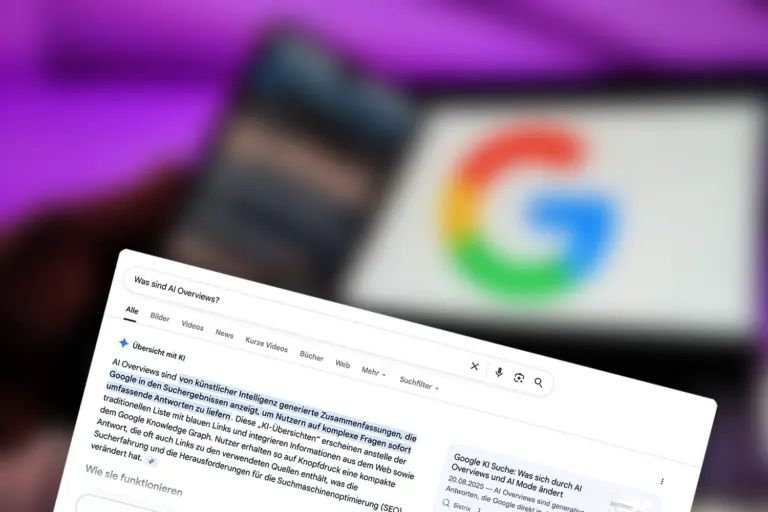
- Content Marketing and SEO: Unique content is of central importance for website operators, SEO editors and content agencies. Search engines like Google rate unique content positively, while Duplicate content to worse Rankings or even lead to the website being ignored. Plagiarism finders help to ensure the uniqueness of web texts and minimize the risk of search engine penalties.
- Journalism and publishing: Here too, the use of plagiarism finders serves to ensure the originality of articles and other publications in order to protect the credibility of the author and the medium.
Modern plagiarism finders are increasingly integrating the detection of AI-generated content, paraphrasing and even cross-language plagiarism to meet the ever-evolving challenges of content creation. Regularly checking texts with a plagiarism finder is therefore a common practice in order to meet the highest standards of originality and quality.